


Top 10 Takeaways
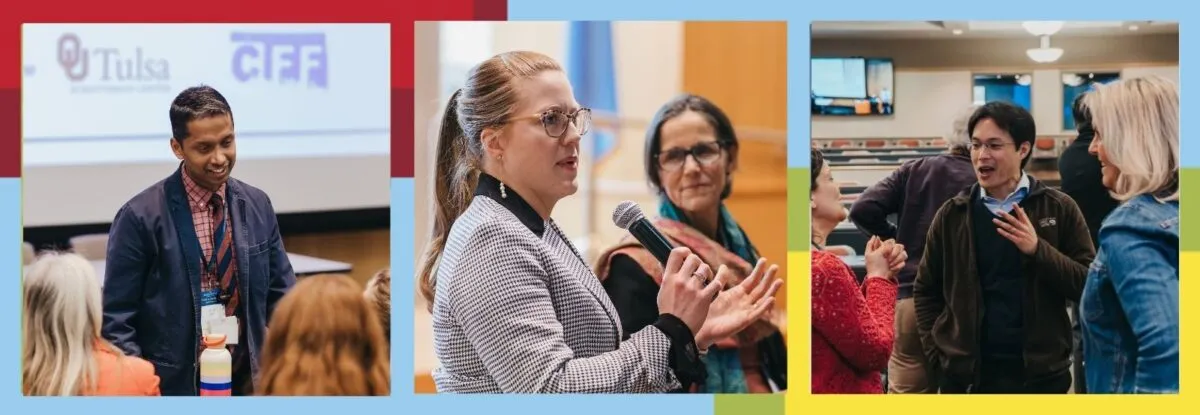
The Food is Medicine and Diabetes convening in Tulsa highlighted important points about how food and lifestyle can help prevent and treat diabetes. Here’s a rundown of the top findings:
- Food is Medicine, Lifestyle Medicine, and Culinary Medicine are complex and interrelated disciplines that–when done with a multi-sector, community-centered approach–are effective tools to prevent and treat diet-related diseases like diabetes.
- No single method is scalable nationally, but lessons learned in one place can be applied in others; this includes shared medical appointments and innovative ways to “code for food,” probably the most essential new tool practitioners need to learn.
- Community-based organizations understand individual and community health needs—and so do many clinicians who are deeply embedded in communities and finding new ways to work with trusted, community-based organizations to practice Lifestyle Medicine and Food is Medicine.
- Even though Food is Medicine, Lifestyle Medicine, and Culinary Medicine are clearly needed to address whole-person health, our healthcare system is not designed to bill for or carry out these types of interventions.
- Coding for food is at the heart of a system that enables these types of innovative ways that clinicians and other community actors can come together.
- A diverse network of funding streams, coupled with supportive policies, is needed for sustained and sustainable local and national momentum.
- Resources for evaluation are needed now more than ever, to build an evidence base that demonstrates health and community outcomes and benefits.
- Many clinicians are using the tools and interventions of Lifestyle Medicine to address the health and well-being of low-income, underserved individuals and communities.
- Many food banks, including the East Oklahoma Food Bank, have “healthified” their approach to serving clients with more fresh food; they have also made a purposeful effort to diversify their funding streams.
- People want to participate! When culinary medicine programs come to an end, not only are there beneficial outcomes but participants also want to keep learning in the same type of supportive, meaningful environment.