


Who We Are
Ceres Community Project, founded in 2007, delivers medically tailored, 100% organic meals—prepared by youth volunteers—to individuals with serious, chronic and complex health conditions, serving about 1,700 clients and their families annually across multiple California counties. Its Food is Medicine programs, guided by registered dietitian oversight, provide up to 24 weeks of meals and groceries, with specialized pilots like a USDA-funded perinatal program. Partnering with major health systems, Medicaid plans, and county agencies, Ceres is funded through a mix of philanthropy, grants, and health care contracts, though future Medicaid cuts pose risks. Ceres rigorously tracks health, food security and other outcomes, integrates with health data systems, and emphasizes strong partnerships, high standards, and data-driven impact along with caring support from the community.
Ceres Community Project was founded in 2007 with a dual mission: to teach teens how to cook healthy meals from scratch by preparing meals for community members living with serious health conditions. While we did not have the term “Food is Medicine” or “medically tailored meals” when we started, Food is Medicine has always been the animating vision of our work. Our mission is to create health for people, communities, and the planet through love, healing food and empowering the next generation.
In 2025, Ceres:
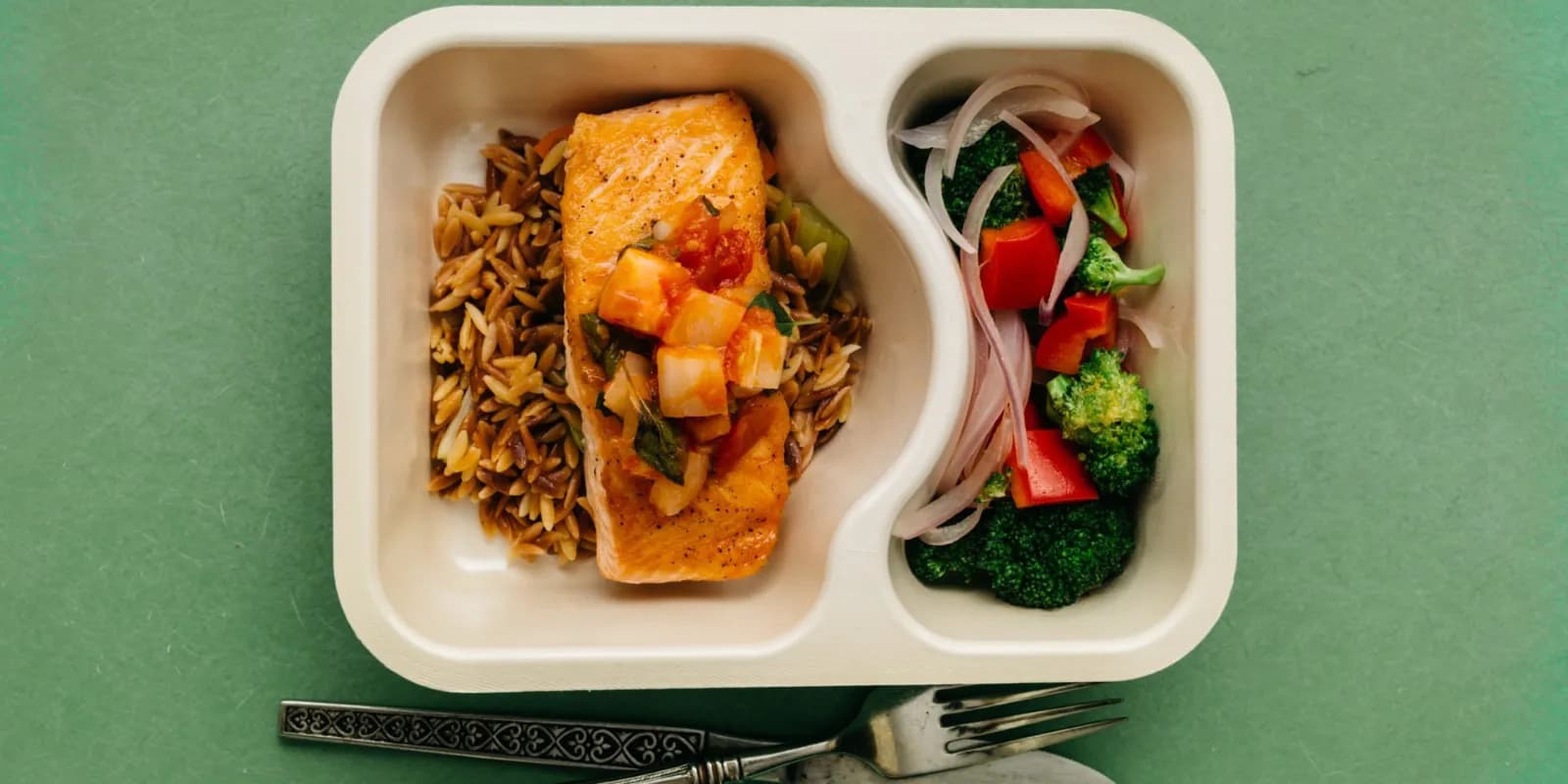
- Prepared and delivered 240,000 medically tailored meals, groceries and produce prescriptions annually to about 1,700 clients and their families.
- Engaged 300+ youth from 55 schools in learning to grow, cook and eat healthy food and in developing their leadership.
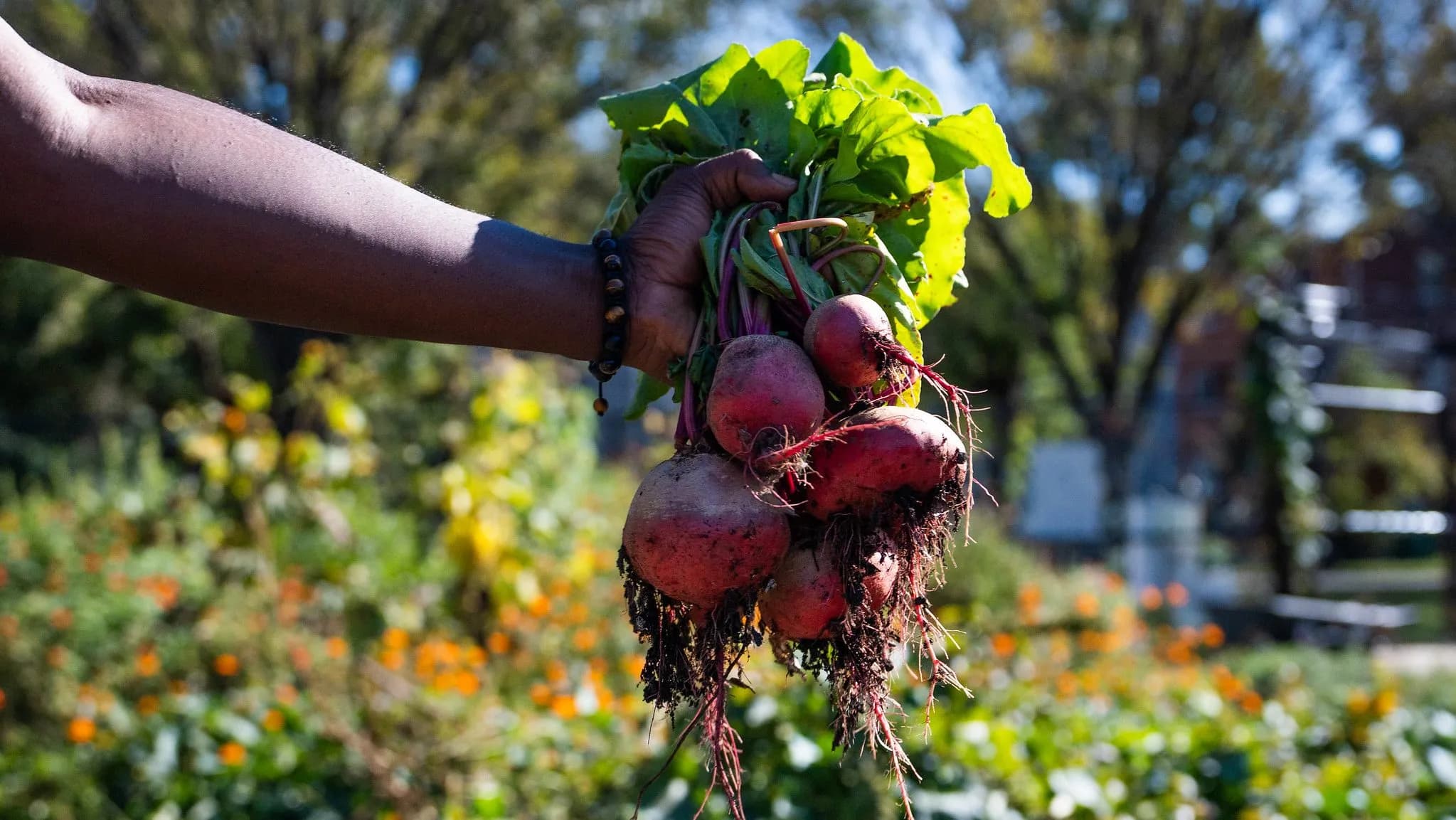
- Operated 2 1.5-acre youth run organic gardens and two commercial kitchens; in 2025, our gardens will grow about 25,000 pounds of produce as well as bouquets of flowers for client meal bags.
- Served people in Marin and Sonoma Counties, about 2,500 square miles, plus Medicaid members in Solano and Napa counties.
- Sourced and provided only 100% organic food, supporting more than 100 organic farms, ranches, and dairies with 66% of food coming from within 250 miles.
- Supported an Affiliate Partner Network that includes programs across the U.S., Denmark, and New Zealand who are replicating our unique community health/food is medicine model.
We work with dozens of health care referral partners including nearly all federally qualified health centers and all of the major health systems in our region (Providence, Sutter, Kaiser, UCSF, Marin Health). We also work closely with Partnership HealthPlan of California, the Medicaid Managed Care Plan for most of northern California, and with many county departments. We hold the contracts for meals at emergency shelters with the county of Sonoma and the city of Santa Rosa and sit on most emergency coalitions for Sonoma and Marin counties.
Ceres Community Project is also deeply engaged in policy work. The organization leads two community-based food networks,currently chairs the California Food is Medicine Coalition, leads the California CBO Medi-Cal Coalition, and are members of California Food & Farming Network, Hearts of Sonoma County, Federal Good Food Purchasing Coalition, FIMC (co-chair), and American Heart Association’s Health Care x Food Strategic Integration Committee.
Client Profile (2024 data):
- 82% of clients are living on less than 200% of the federal poverty level
- 67% screen positive for food insecurity
- Serve all ages, with 65% 60+; in 2024 we served clients ages 6 to 102
- 35% BIPOC with the largest share, 24%, being Latinx and 16% Spanish speakers
- 44% live alone without support
- 55% have a chronic illness such as diabetes or heart disease; 31% have a cancer diagnosis; the remaining clients have a variety of diagnoses including neurological
How We Think of Food is Medicine
Ceres uses the Food & Society at the Aspen Institute/Food is Medicine Coalition definition:
- A spectrum of evidence-informed/based programs and services that respond to the critical link between nutrition and health.
- Provided to patients living with serious, complex, and chronic health conditions through a nexus to the health care system, ideally via a medical referral from the patient’s health care provider.
- Interventions must have the oversight of a registered dietitian nutritionist who oversees the menu plan, assigns the right menu plan to each client, and manages the nutrition care process; nutrition education should be a core component of the intervention.
The most viable way to build sustainable solutions to address nutrition-related chronic disease through food is to integrate evidence-informed Food is Medicine interventions into the health care system, especially Medicaid and Medicare. To do that, we must be rigorous in our definition of what constitutes Food is Medicine so that we are promoting and advocating for interventions that will actually produce the outcomes that matter to health care.
How We Put Food is Medicine Into Action
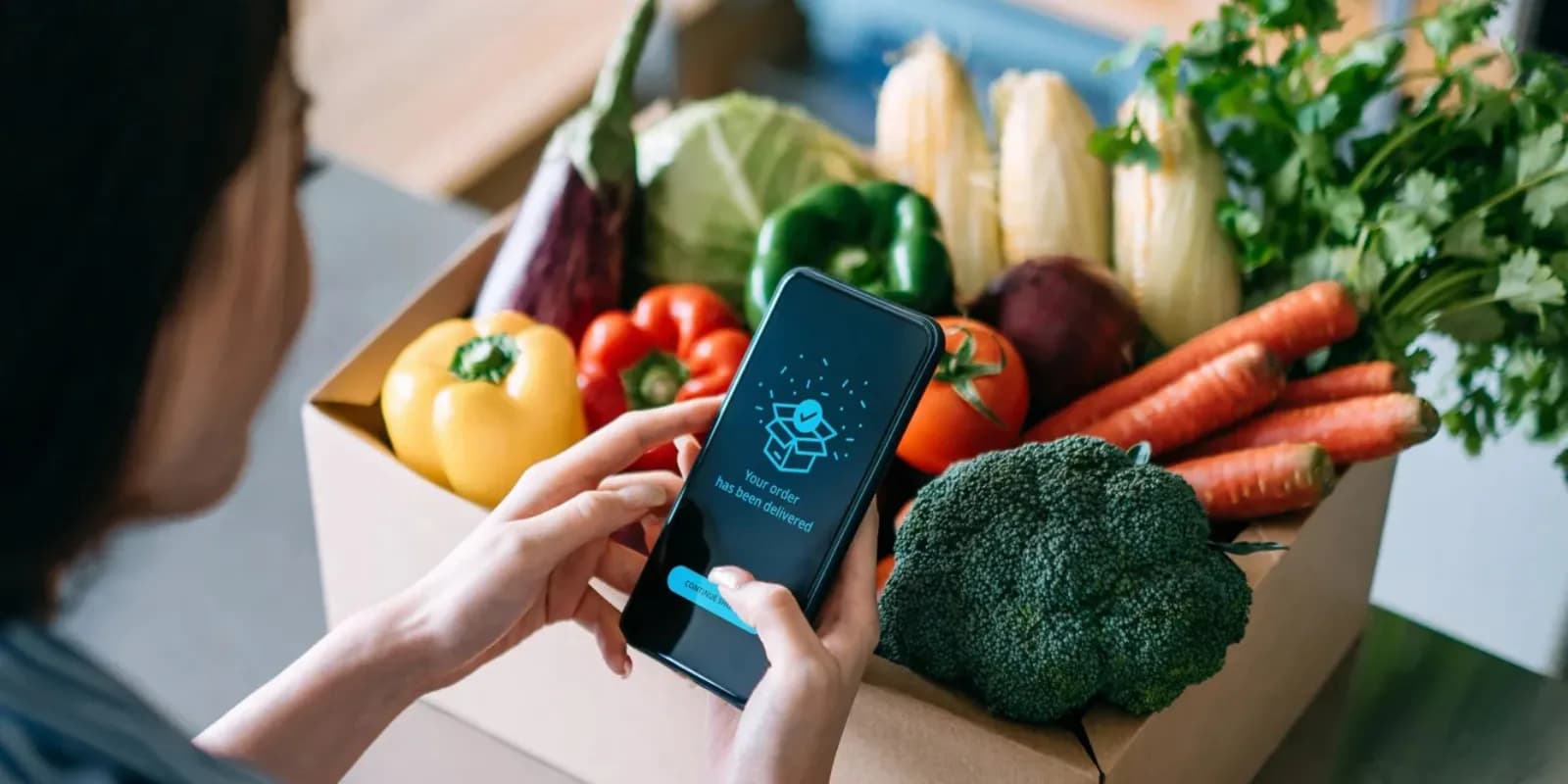
Ceres Community Project’s core program provides up to 24 weeks of meals for the client and family members. Most clients receive seven prepared meals per week. We screen clients for food insecurity. Clients who screen positive are offered either 14 prepared meals a week or, most often, seven prepared meals plus a grocery bag of easy to prepare items that equal at least seven additional meals. Nearly all meals and groceries are delivered to the client with just a few clients who pick up.
Ceres is also piloting a perinatal intervention that is being funded under USDA GusNIP. That program provides four weeks of prepared meals for everyone in the family, followed by weekly delivery of fresh organic produce. After birth, clients receive another five weeks of meals for all family members.
Clients must have a serious, chronic, or complex health condition. Clients living on less than 200% of the Federal Poverty Level receive meals for free; clients from 201 to 399% pay a small amount per week that varies from $15 to $35 per person (for seven meals). For clients who are 400%+ of the FPL, meal bags are $100 per person per week.
How We’re Funded and How the Future Looks
Ceres Community Project’s funding is primarily philanthropic. About 1/3 comes from individual donors; about 1/3 from corporate, foundation, and some government funding; and about 1/3 from health care contracts and earned income.
The organization is concerned about the impact that federal cuts are having on the following:
- Future GusNIP funding, and USDA block grant funding to the states such as Specialty Crop Block funding which Ceres has received multiple times.
- Cuts to Older Americans Act funding – while not currently contracted under AAA to provide senior meals, Ceres has been in the past.
The organization’s biggest concern is about cuts to Medicaid. California is now estimated to be losing $30 billion in Medicaid funding this next year. If work requirements or other administrative burdens lead to people losing coverage, that reduces revenue to the managed care plans. As the state and the plans have less revenue, they will need to make hard choices about continuing programs like CalAIM(California’s Medicaid waiver) / Community Supports which enable managed care plans to offer and pay for medically tailored meals and groceries.. Ceres has spent a considerable amount of time and money building health care claims billing capacity and now have almost 1/3 of our revenue coming from this source. Loss of our health care contract will mean many clients who need services may not be able to get them.
Metrics and Outcomes Being Tracked
Ceres Community Project collects pre- and post data for clients that includes:
- Self-reported health status
- Self-reported ED visits and hospitalizations over previous three months
- Ability to meet medical nutrition needs
- Changes in eating habits
- Food insecurity
- Rating the importance of a range of benefits from feeling more cared for, saving money, learning about nutrition, and recovering more quickly.
Ceres also conducts customer satisfaction surveys that ask clients to rate the program on a range of dimensions including quality, variety and taste of the meals, client services, delivery services, etc. They consistently have net impact scores over 9.
The organization is currently working on connecting directly to clients’ health care data through the California Data Exchange framework. This will enable Ceres to pull data such as A1c and blood pressure, discharge information, etc. directly into client records. In partnership with the California Food is Medicine Coalition (CalFIMC), eight CalFIMC agencies are working to standardize how they collect and store client data with the aim of being able to do outcome and impact analysis collectively.
Lessons Learned
- Build relationships with health care referral partners. Participate in collaboratives and show up as a community partner who is committed to making a difference and being part of the solution. Do what you say you will do, to demonstrate that you are reliable.
- Be rigorous in what you do. Have high standards. If you say you are doing medically tailored meals, have an RDN who is overseeing them, build an MTM menu plan, and don’t serve people you shouldn’t be serving.
- Collect data!
Why We Want to Keep Providing Food is Medicine
This work is core to our organization’s mission and values.