
About

4P Foods is a regional food hub founded in 2014 to build a more regenerative, equitable, and resilient food system. The organization connects local and regional farmers with households, businesses, schools, hospitals, and community partners to create reliable markets for producers while expanding access to fresh, nutritious food. What began as a farm delivery service has grown into a broad distribution network serving multiple states and Washington, D.C., with a model centered on the belief that food should nourish people, strengthen, and support environmental stewardship. Today, 4P Foods works with 130 farmers and makers through wholesale distribution and institutional partnerships that link regional agriculture with healthier and more accessible communities.
Key Highlights
Questions

Established in 2014, 4P Foods has a mission to build a new regional, regenerative, and accessible food system that mitigates climate change, maximizes farmers’ profits, and provides all people with dignified access to healthy food from farmers. 4P Foods’ model was based on the knowledge that sourcing from local farmers is associated with many nutritional, economic, and environmental benefits.
4P Foods is working to advance the field of Food is Medicine by providing nutritious, locally sourced foods from more than 130 regional farmers to organizations and individuals across the mid-Atlantic region. Food is Medicine is in direct alignment with 4P Foods’ mission of expanding reliable markets for local and regional food, strengthening farm viability and supporting transitions to regenerative growing practices, and ensuring that fresh and local food is available to everyone. One of our most integral partnerships has been with Children’s National Hospital, the American Heart Association, YMCA of Metropolitan Washington, and other partners to deliver a program called FLiPRx. The pilot program, launched in 2021, aims to improve diet quality among food insecure families in Washington, D.C. Other Food is Medicine partners include the Capital Area Food Bank, Washington Nationals Philanthropies, Maryland Veterans Affairs, and several Virginia-based community clinics. We are also excited to work on a research project funded by the Rockefeller Foundation to describe the environmental and economic benefits of Food is Medicine programs through a mixed-methods approach.
To scale our Food is Medicine pilot programs, we are seeking to partner with a wide variety of additional organizations such as healthcare providers, thought leadership organizations, evaluators, philanthropists, and policymakers.
We define Food is Medicine as a comprehensive approach to delivering food-based health interventions. While Food is Medicine initiatives have long been recognized for their proven positive health outcomes and often associated healthcare cost savings, we affirm the concept of Farm to Food is Medicine, which reaches further to emphasize the measurable economic, environmental, and nutritional benefits, to recipients as well as the upstream producer communities, that can be achieved by sourcing this food locally. Farm to Food is Medicine incorporates the opportunity to drive substantial revenue to local food producers, increase the resiliency of regional food supply chains, and address the threats climate change poses to our existing centralized food production system. In doing so, Farm to Food is Medicine advanced not only human and community health, but also that of local economies and the environment.
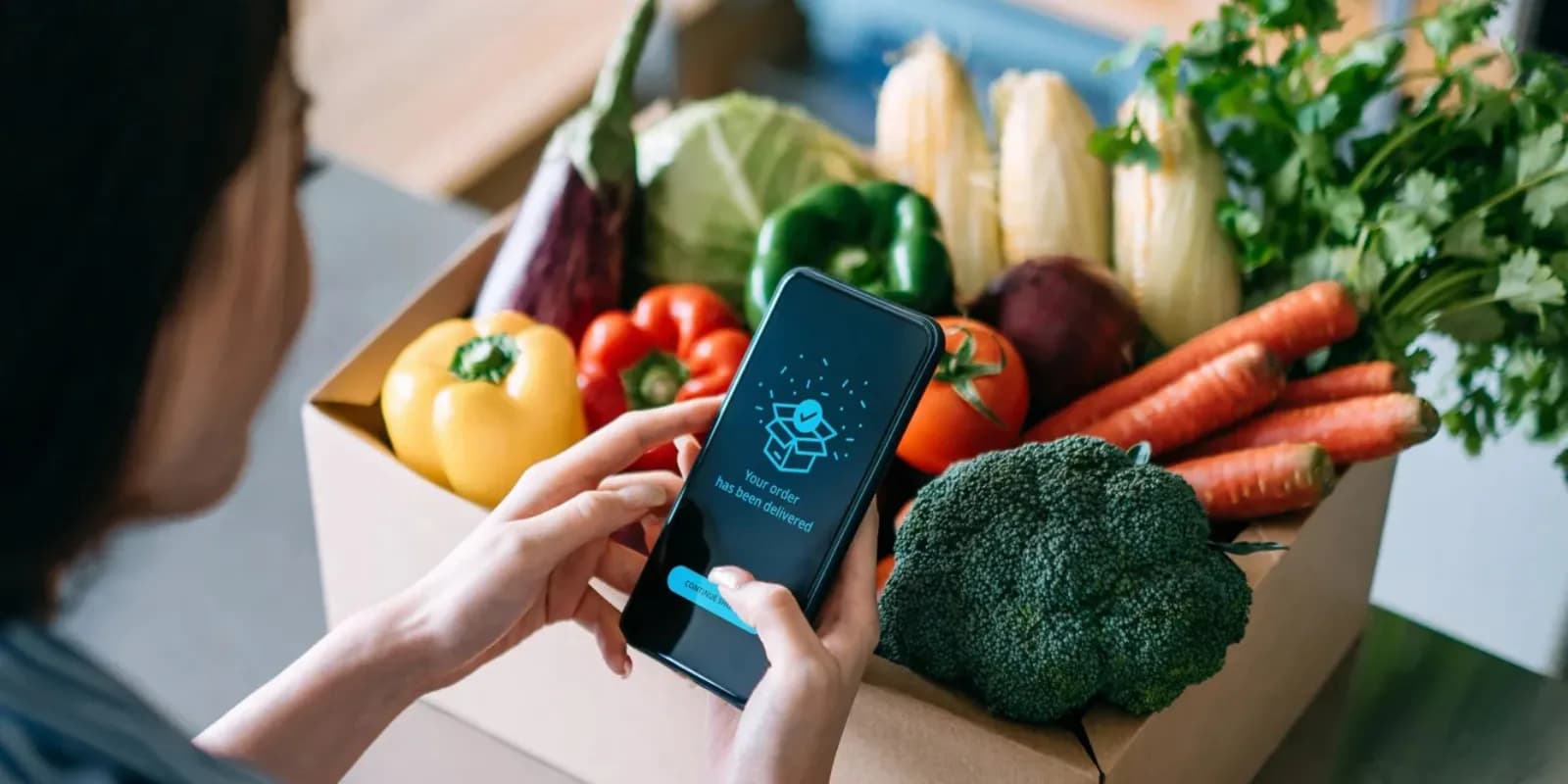
We partner with healthcare providers across the mid-Atlantic to deliver locally-grown produce prescription boxes and medically tailored groceries. Eligible patients, including those experiencing diet-related chronic disease risk and often food insecurity, are prescribed produce prescription boxes by registered dietitian nutritionists (RDNs) or other clinicians based at our organizational partner institutions. We fulfill the produce prescriptions by delivering local food directly to patients’ homes or community clinics. The specific details of the intervention vary based on our partners’ goals. For some, we incorporate printed recipes that feature produce in that week’s box. We also sometimes include program guides or other educational materials developed by our provider partners to deliver a comprehensive intervention to the patients. Our clinical partners are often delivering other nutrition education (including culinary medicine, in the case of FLiPRx) in person or online in conjunction with or parallel to our deliveries. We have also begun conversations about integrating into other models of Food is Medicine programs in the Mid-Atlantic region, such as providing food for other organizations to package into medically tailored meals.
We have been awarded several funding opportunities that have enabled us to provide healthy and nutritious foods to populations across the mid-Atlantic. Our funders include the following:
- Philanthropic support from local and national funders for our program with Children’s National Hospital to pay for the food, delivery, and nutrition education.
- Philanthropic support from The Rockefeller Foundation to deliver boxes of produce to veterans across Maryland through a network of pilots occurring across five states, in conjunction with an associated evaluation.
- $1.6 million from the Regional Food System Partnership program to build a regional transportation infrastructure to support the regional food ecosystem and strengthen its ability to deliver local food to families that are food insecure.
- $2.8 million via the USDA’s Local Food Purchase Assistance (LFPA) cooperative agreement and $2 million from the Virginian Farms to Virginian Families food box program to expand purchasing from local farmers to reach families who are food insecure and deliver food throughout Virginia’s food bank network in partnership with the Federation of Virginia Food Banks.
We continue to seek partnerships that will ensure the future funding of this work (such as with more healthcare provider organizations as well as with payers). Additionally, we aim to build the evidence base for the value of our work, which will help to ensure its financial and programming sustainability in the longer term.
Some of our clinical partners are conducting robust, mixed-methods research, and we are excited by the growing evidence base and dissemination opportunities realized thus far. They are tracking metrics reflecting food security status, fruit and vegetable consumption, dietary quality, percent of produce used, home eating behaviors, program participation and class attendance, program satisfaction, biomarkers (such as blood pressure and BMI), etc. Several validated screening tools are used.
Across our Food is Medicine programs, we track and/or plan to soon track the following metrics:
- Number of produce and protein boxes that we deliver, delineated by Food is Medicine program
- Number of patients/customers/households receiving produce and protein boxes
- Number of small and mid-size local farmers, local producers, food hubs, and co-ops from which we purchase
- Pounds of food sourced from local farms
- Distance food traveled from farm to warehouse and from warehouse to end consumers
- Revenue generated in the local economy via small farmers
We are also collecting data from a subset of farmers to assess employment opportunities and environmental benefits resulting from 4P Foods’ Food is Medicine contracts and we will publish the data over the next few years. Also, we are excited to work with some of our clinical partners to better describe the impact of our interventions on recipients’ valuation and purchasing of local food, showcasing the educational benefit of receiving and learning how to cook with local foods in driving family-level behavior change. Tracking can be a challenge, especially since we track a variety of metrics and formats across different projects; however, we attempt to standardize the format of some of our metrics so that impact can be understood consistently across projects. We shared baseline numbers reflecting reach in our 2024 impact report, and we have experienced promising growth in 2025. In 2026, we are on track to more than double the number of unique households served to more than 700.
- There is immense opportunity. Though administrations and terminology change, the interest in addressing individual and population health through good food will surely continue to grow. We have seen encouraging results from our pilots and we are eager to codify our lessons learned into practical resources that can be shared with other communities. We recognize the importance of establishing a clear baseline for impact now so that this work can be rigorously measured and positioned for long-term sustainability and policy influence.
- We know the value of good data. We will continue to work with our partners to capture and measure the benefits of Farm to Food is Medicine including economic, environmental, and human health benefits. We are also working toward compiling and articulating the clinical evidence base for our programs, helping us to secure more healthcare industry partnerships into the future.
- Strong positioning and thoughtful communication are essential to the long-term and sustainable success of Food is Medicine programs. Because the innovative Farm to Food is Medicine model incorporates many complex systems, its value and impact must be clearly communicated so everyone can understand and engage with it. Further, it must be embedded and prioritized in planning from the outset, rather than later on during implementation, due to the many challenges that will arise and the adaptations that will be required.
Yes! We have invested significant time and effort into designing and implementing replicable Food is Medicine+ programs that demonstrate human, environmental, and economic health impact. We anticipate that the need will only grow, based on the ongoing challenges in both our healthcare and food systems. This line of business has expanded our impact on human lives, but has also expanded our network of organizational partners and advocacy opportunities to achieve positive policy change.
Our goal is to generate the scalable models and evidence-based results necessary to secure sustainable, long-term funding, including integration into public insurance programs like Medicaid, as well as to help like-minded organizations across the region and the country to make similar progress. By working with third-party evaluators, we are building a rigorous evidence base that captures the full value of Farm to Food is Medicine: improved health outcomes for food-insecure families, measurable economic benefits for participating small and mid-sized farmers, shifts towards regenerative growing practices, and comparative nutritional benefits of locally sourced foods. This work strengthens our mission by aligning healthcare, local food systems, and community resilience into one integrated, scalable model.
Related Case Studies

Dion’s Chicago Dream
Redefining health equity and food security through a logistics-first, dignity-centered model that brings fresh produce directly to families’ doorsteps.
Read Case Study